Decorative Layered Wall Art – A Versatile Graphic Design Freebie for Branding
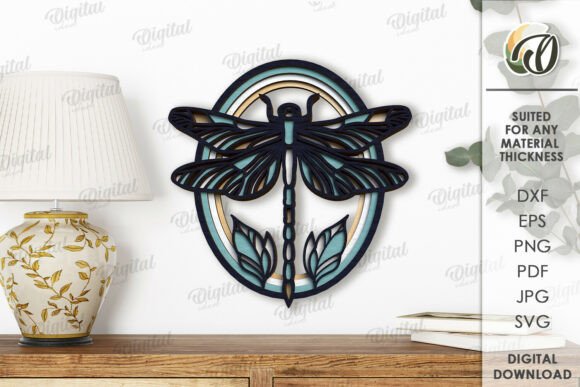
As a brand designer and content marketer, I’m always on the lookout for graphic design assets that elevate visual storytelling without overshadowing it. Recently, I came across a new offering in the freebies section of a creative marketplace: Decorative Layered Wall Art. At first glance, this digital product caught my eye with its intricate yet balanced composition. It’s not just another background or clipart—it brings depth, texture, and a subtle elegance to marketing visuals. Let’s dive into how this design asset can serve as a valuable addition to your branding toolkit.
First Impressions: Mood and Emotional Tone
The Decorative Layered Wall Art immediately evokes a sense of warmth and creativity. Its layered elements suggest handcrafted detail while maintaining a modern aesthetic. This duality makes it ideal for brands that want to project a lifestyle-oriented, artisanal, or premium vibe. The mood is inviting—perfect for niche markets like wellness, home décor, or handmade products. However, it's not loud or garish; instead, it adds sophistication to casual designs and softens more structured layouts.
What stood out most was how it subtly influences audience perception. When used correctly, it signals thoughtfulness and attention to detail—qualities that build audience trust and enhance the perceived value of a product or service. Whether you’re promoting a seasonal offer or launching a new line of eco-friendly goods, this design has the potential to anchor your visuals in a cohesive emotional tone.
Real-World Application in Marketing Campaigns
Let’s imagine a small business owner preparing to launch a new collection of natural candles. They need social media graphics, blog headers, packaging inserts, and Pinterest pins—all within a tight budget. That’s where Decorative Layered Wall Art comes in handy. As part of a design bundle, it offers a professional look without the cost of custom illustrations.
- Hero Graphics: Use it as an accent in hero sections of landing pages or email banners to add dimension and interest.
- Product Launch Visuals: Incorporate it into campaign headers or Canva templates to create a visually rich backdrop that supports the product image without overpowering it.
- Branded Templates: Apply it to Instagram posts, Facebook ads, or promotional flyers to maintain a consistent look across platforms.
- Editorial Layouts: Perfect for blog headers or newsletter covers, especially when paired with minimalist text blocks and high-quality imagery.
Supporting Stronger First Impressions and Visual Hierarchy
In marketing, the first impression is everything. Decorative Layered Wall Art helps establish a strong visual foundation by guiding the viewer’s eye through its organic shapes and patterns. This makes it a powerful tool for creating visual hierarchy—especially in digital ads or web design where attention spans are short.
When layered behind a logo or key message, it acts as a soft frame, making the main content stand out more clearly. This is particularly useful in brand identity work, where consistency is key. The art doesn’t distract but rather enhances the narrative, supporting a clean and professional appearance while still being visually engaging.
Where This Design Shines Brightest
This SVG design works best in scenarios where a touch of personality is needed. Here are some standout use cases:
- Hero Graphics: Use it to add texture to homepage headers or lead magnet sign-up sheets.
- Campaign Headers: Ideal for introducing new collections or promotions with a decorative flair.
- Branded Content Kits: Include it in your content bundle for bloggers or influencers who want to maintain a cohesive look with your brand.
- Promotional Banners: Add it to event flyers or posters for a polished, artistic finish.
- Printable Promotions: Great for printables like guides or PDF resources when you want something memorable but not overwhelming.
Design Limitations and Best Practices
While Decorative Layered Wall Art is versatile, it’s not universally applicable. In certain contexts, it may actually detract from the message rather than support it. For example:
- Formal Corporate Branding: The layered style might feel too whimsical for traditional industries like finance or legal services.
- Dense Information Layouts: Avoid using it in data-heavy infographics or presentations where clarity is critical.
- Small Mobile Graphics: The intricate details can get lost at lower resolutions, so test it on mobile before finalizing.
- Low-Contrast Backgrounds: Be cautious when placing it over light or pastel tones, as it may lose visibility.
- Minimalist Brands: If your brand leans heavily on minimalism, this asset should be used sparingly to avoid clashing with the overall aesthetic.
To ensure optimal performance, always test it with your brand color palette. Check how it looks in grayscale—important if you're printing or working with monochrome displays. Preview it inside real campaign mockups to see how it interacts with other design elements. Also, review spacing and balance to make sure it complements rather than competes with typography.
Type Pairing and Design Harmony
One of the keys to effective branding is ensuring harmony between visuals and type. The Decorative Layered Wall Art pairs well with various font styles, depending on the desired effect:
- Serif Fonts: Create a classic, elegant feel—great for editorial design or luxury product labels.
- Sans Serif Fonts: Offer a clean, modern contrast that highlights the organic nature of the wall art.
- Script & Handwritten Fonts: These fonts blend beautifully with the hand-drawn-like qualities of the design, enhancing the artisanal appeal.
- Display Fonts: Work well when the design is placed in the background, allowing bold headlines to take center stage.
However, always prioritize readability. Test how legible your text remains when layered over the design, especially in smaller sizes or on mobile screens.
Why It Works for Content Creators and Small Businesses
For creative entrepreneurs, digital sellers, and small business owners, this graphics freebie is a game-changer. It provides a ready-to-use illustration that fits into multiple aspects of your marketing visuals, from social media covers to packaging accents. Unlike generic clipart, it offers a unique and layered structure that feels intentional and curated.
Its adaptability means it can be incorporated into both digital and print formats. Since it includes SVG, DXF, and EPS files, it’s scalable and editable—allowing designers to customize it for specific needs. And because it’s part of a free graphic design asset, it gives startups and solopreneurs a way to produce professional branding materials without breaking the bank.
Final Thoughts and Designer Recommendations
If you’re looking to inject a bit of soul into your brand communication, consider adding Decorative Layered Wall Art to your design workflow. It’s not just about aesthetics—it’s about creating a visual identity that resonates emotionally and builds stronger recognition over time.
Before using it in paid campaigns or client work, double-check the commercial license to ensure it aligns with your usage rights. Also, keep an eye on how it compares against competitor visuals. You want your brand to stand out, not blend in.
Ultimately, this design asset serves as a reminder that even free graphics can have a significant impact when applied thoughtfully. Used with care, it can help your brand tell a story that’s both beautiful and purposeful—something every content creator and marketer should strive for.